
“It’s Never Over, Jeff Buckley”. (Credit: Magnolia Pictures/Dana Tynan)
Jeff Buckley, an American singer-songwriter who grew to peak fame in the 90s, passed away in 1997 due to an accidental drowning in the Mississippi River. Though he died young, he left behind a stellar musical legacy and was even inducted into the American Library of Congress’ National Recording Registry, along with other successful musicians such as Taylor Swift, Beyoncé, and Reba McEntire. In recent years, Gen Z has taken to TikTok and other social media platforms to celebrate the late artist, using his music in videos and often commenting on how they relate to the romantic lyricism of his most popular songs such as “Last Goodbye” and "Lover, You Should’ve Come Over.” Within the TikTok community, old and new fans have continued to pay homage to the artist, inspiring more people to learn about his legacy and life.
Much of this resurgence is credited to the popularity of the HBO documentary “It’s Never Over, Jeff Buckley” directed by Amy Berg. Released in 2025, it has been critically acclaimed, and given a score of 98% on Rotten Tomatoes’ Popcornmenter, and a 99% on the Tomatometer. The biopic does a stunning job of shedding light on the legacy of the late artist, highlighting his young life, adulthood, struggles, and triumphs. A previously unreleased diary entry from 1994 quotes him with statements such as, “I don’t really have a ‘career.’ I have a life. And that life is a series of accidents that I’ve tried to turn into music.”
The documentary begins by exploring his early life in Anaheim, California. Buckley was primarily raised by his mother, Mary Guibert, after his father, Tim Buckley, a popular folk musician, left to pursue his career. His father also left behind a deeply revered legacy as a singer-songwriter, as he too passed away at a young age. Jeff Buckley felt he was never able to form a connection with his father, having spent only a short time with him before he left, ultimately leaving him with fleeting moments that contributed to an ambivalence about his legacy. He was quoted as saying, “I only met my father for real for like a week. And he had a whole other family,” (1994 interview with Interview Magazine).
One such moment was when Jeff’s mother took him to see his father performing as a child. After the performance was done, Jeff was taken backstage to meet his father, and they were able to briefly connect. His father then invited him to stay at his house during his Easter vacation to spend time with him. It was during that stay that Jeff discovered that Tim had a whole other family: an adopted son and a new wife. Shortly after Jeff returned home, he tried to reconnect and talk with him over the phone, but his calls were never answered. Jeff then goes on to explain that despite his attempts to reconnect with his birth father, his only ever true father figure was his step-father, Ron Moorehead.
Jeff’s desire to connect with people was what fueled his creative ventures. He took on various projects to create a community when he relocated to New York City in his early twenties. While working at Sin-e, a popular music venue in the East Village in the 90s, he was given the opportunity to perform live on his breaks. It was there that he found a community of like-minded creatives and artists. Eventually, he was scouted by Columbia Records during one of his performances there, and after signing with them, he produced an album of original music and covers.
Much to Jeff’s chagrin, his father’s music legacy followed him into his career. Many fans struggled to separate the two artists, frequently lumping them together as a shared creative voice despite their genre differences and individuality as artists. When interviewers would ask him about his father, he would, in many cases, shut down, expressing his dislike of any line of questioning involving Tim
He was known by many as a perfectionist, and he was his own worst critic. While signed with Columbia Records, he was consumed by writing and recording his songs, which took a serious toll on his personal platonic and romantic relationships. Many of his songs echoed that toll that his work took on his romantic relationships, highlighting interpersonal struggles, distance, and yearning. When his album “Grace” was released, it was revered as one of the best albums of all time. Famous musicians sang praises about his vocal range and lyricism.
Jeff Buckley started to feel creatively drained and pressured by his record label, and his mental state was negatively affected by serious demands made by his label and aggressive tour dates, and he began withdrawing from friends and family. People in his community began expressing concerns over his well-being, citing erratic behavior from him, and his close friends became enraged by the neglect he experienced at the hands of his record label and management. On May 29, 1997, in Memphis, Tennessee, he went for a swim in the Wolf River Harbor and was taken in by an undertow, passing away at age 30.
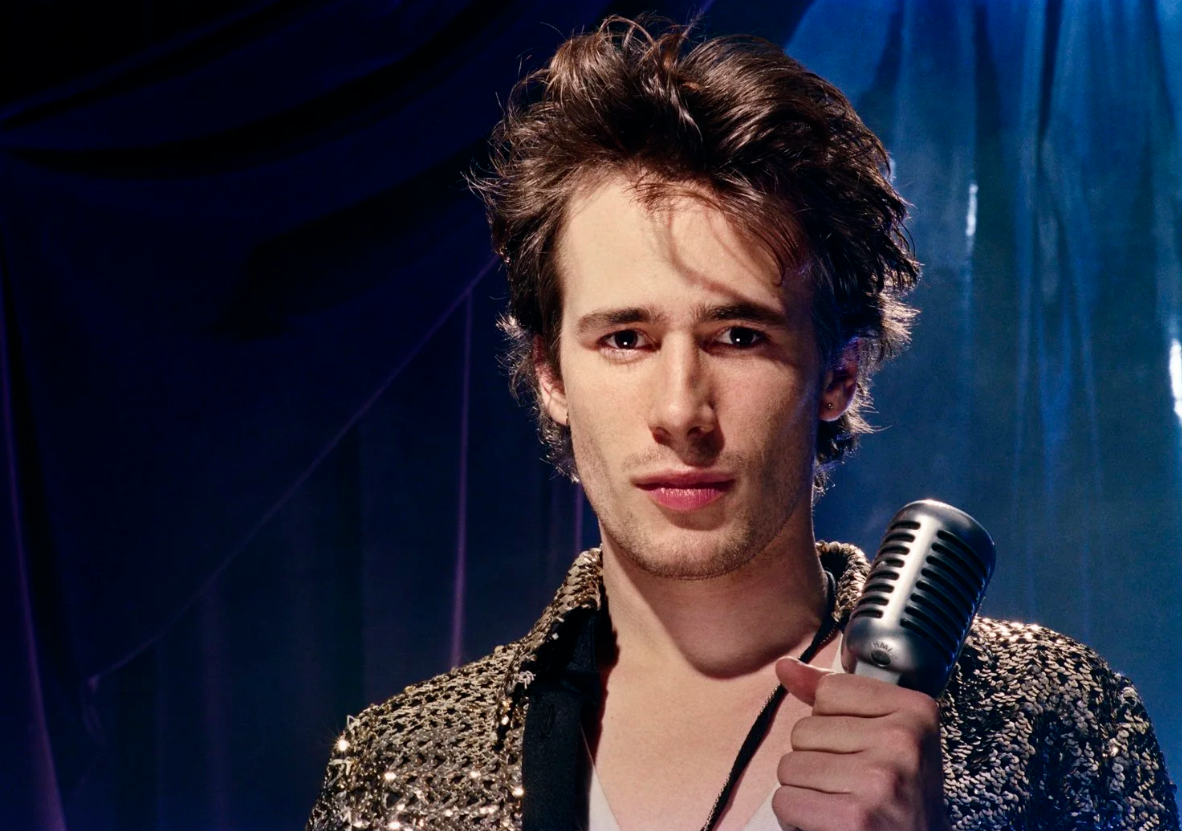
“It’s Never Over, Jeff Buckley”. (Credit: Magnolia Pictures, Merri Cyr.)
His popularity on TikTok peaked around early 2025, right around the time the documentary was released. Fans around the world felt like they were able to relate to his music and struggles, and editors began to clip some of his interviews into visual edits. Many Jeff Buckley fans on TikTok spoke about his life, legacy, and artistry, explaining how relatable they found him as a person, and many wish the struggles during his lifetime were taken more seriously by his management and Columbia Records.
One of his most popular songs on the app and the charts is “Lover, You Should’ve Come Over” off the “Grace" album. The song was his way of expressing regret and lament over a romantic relationship that had ended badly. One such line, “Maybe I'm too young / To keep good love from going wrong”, resonates with a younger Gen-Z audience, many of whom are struggling interpersonally in the same ways. The song also relates to those struggling with attachment issues in their relationships, such as Avoidant or Anxious attachment.
Avoidant attachment is when a person pushes loved ones away due to a fear of vulnerability and commitment, while Anxious attachment is when a person clings tightly to their romantic partners seeking safety and emotional regulation from them. Many Gen-Z individuals with these attachment issues are finding it difficult to solidify healthy relationships. Jeff Buckley’s songs speak on these attachment issues within relationships, as due to his career, he found himself pushing loved ones away and focusing on his own independence.
Jeff Buckley and his music has survived the test of time, and he has been remembered and commemorated in various ways since his passing. He is cited as a once-in-a-lifetime talent and a genius who changed the trajectory of modern music, paving the way for other artists to bring unique sound to their artistry, such as Thom Yorke of Radiohead who personally cited inspiration from the artist, and Matt Bellamy of Muse. Thom Yorke has spoken on gaining confidence to sing in falsetto after hearing Buckley at a live performance in London, and Matt Bellamy bought Buckley’s Fender Telecaster to recreate his guitar tone.
Jeff Buckley’s loyal fanbase continues to grow every day, as people around the world continue to share his songs and talk about his legacy. Paying homage to his song, “Eternal Life,” I feel it is safe to say that through his musicality and artistry, Jeff Buckley himself has achieved the feat of living on forever in our hearts.